
Ground Prepared for Structural Work
Excavation in Rogersville for foundation footings, utility installation, and site preparation projects
Foundations, utility lines, and site improvements require excavation that removes soil to precise depths and dimensions. Digging too shallow compromises structural integrity, while over-excavation creates unnecessary backfill and added cost. Rogers Elite Hauling and Excavation LLC handles excavation work in Rogersville for residential and rural properties, removing soil to the depths and widths specified by building plans and engineering requirements.
Excavation scope varies depending on the project. Foundation work involves digging footings to below frost depth and creating level building pads. Utility excavation removes soil for sewer lines, water service, and drainage systems. Site preparation excavation cuts into slopes, removes unsuitable soil, or creates level areas for driveways and access roads. Each type of excavation requires attention to depth control, wall stability, and spoil management.
Request a site visit to discuss excavation requirements and confirm the scope needed for your construction project.
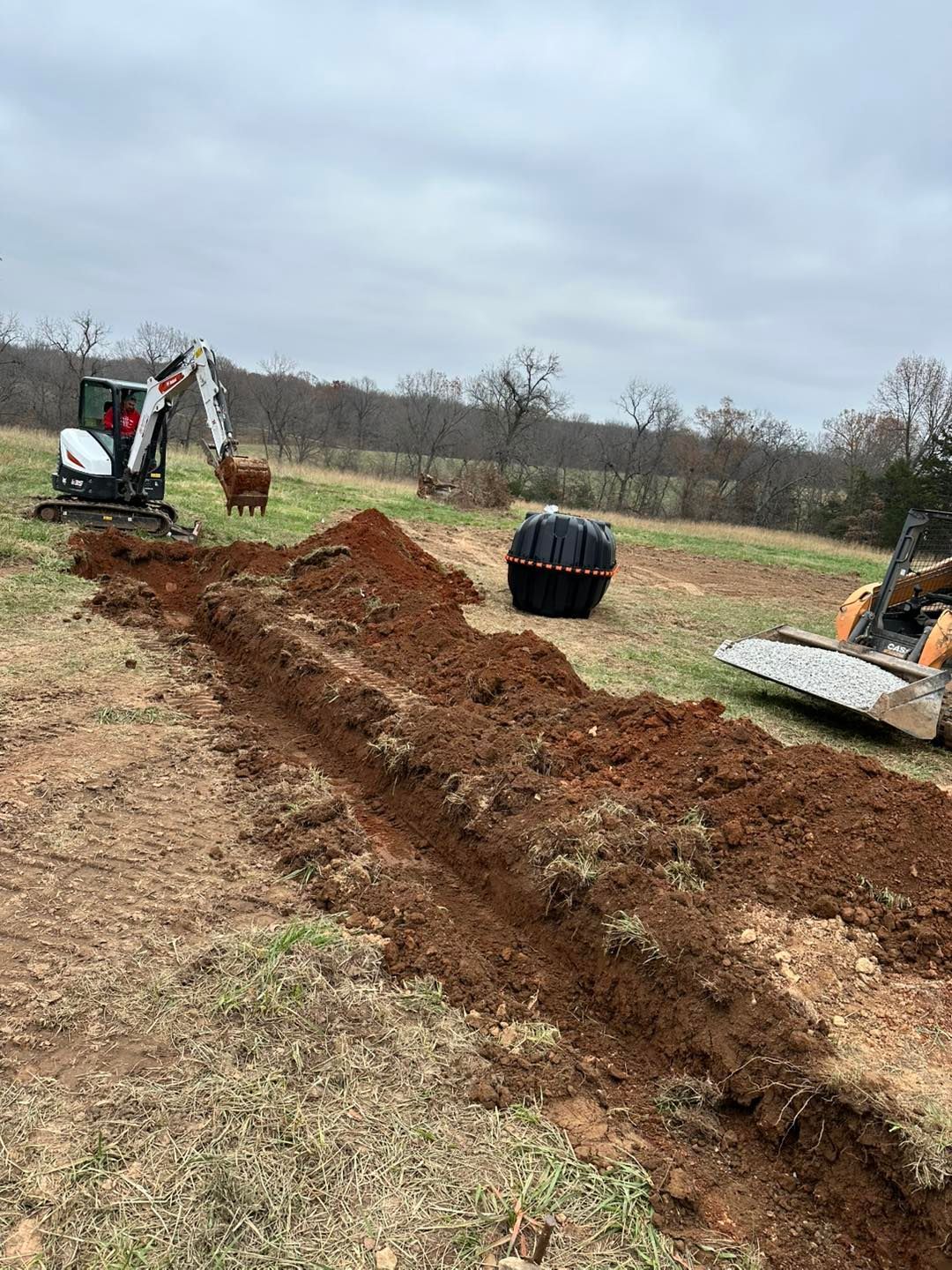
What Excavation Actually Accomplishes
Excavation work begins with marking the area to be dug and identifying any existing utilities or obstacles. Soil is removed in controlled passes to maintain stable walls and avoid disturbing surrounding ground. In areas like Willard and Fairgrove, soil conditions range from loose topsoil to dense clay and occasional rock, each requiring adjustments in equipment and digging technique to achieve clean, accurate excavation.
After excavation is complete, you will see a clearly defined area dug to the specified depth with stable walls and a level or sloped bottom as required by the project. Spoil piles are positioned for backfill or removal, and the excavated area is ready for concrete forming, pipe installation, or grading work. Rogers Elite Hauling and Excavation LLC ensures that excavation dimensions match building plans and that the site is prepared for the next construction phase without delays or rework.
Excavation work often uncovers site conditions not visible from the surface, such as buried debris, variations in soil type, or high groundwater. These conditions may require adjustments to the excavation plan or additional steps to ensure structural success. Proper excavation accounts for these variables and prepares the site to support long-term stability and performance of the structure or system being installed.
Questions Before Starting Your Project
Property owners preparing for excavation want to understand how the work will proceed and what factors affect the final result.
How is excavation depth determined for foundations?
Footing depth is specified by engineering plans and building codes, typically extending below the frost line to prevent movement caused by freeze-thaw cycles. In Missouri, frost depth generally ranges from 24 to 36 inches, requiring footings to reach at least that depth or deeper depending on soil conditions and structural load.
What happens to the soil removed during excavation?
Excavated soil can be used for backfill after construction, spread and graded elsewhere on the property, or hauled off-site if not needed. The decision depends on soil quality, project requirements, and available space for spoil placement during the construction phase.
Can excavation proceed in wet or frozen conditions?
Wet soil complicates excavation by reducing wall stability and making it difficult to achieve clean cuts or level bottoms. Frozen ground prevents equipment from digging efficiently and may require delays until conditions improve. Timing excavation around weather reduces complications and ensures accurate results.
How does soil type affect excavation work in Rogersville?
Clay soils common in the area hold trench walls well but become sticky and difficult to move when wet. Rocky soils or areas with limestone bedrock require different equipment and more time to excavate. Soil conditions visible at the surface do not always match what appears at depth, requiring flexibility during the digging process.
What site preparation is needed before excavation begins?
The excavation area must be cleared of vegetation, debris, and obstacles. Existing utilities must be located and marked to prevent damage during digging. Access routes for equipment must be established, and any temporary erosion control measures should be in place if the site will remain open for an extended period.
Rogers Elite Hauling and Excavation LLC provides excavation services for residential and rural properties throughout Rogersville, handling varied terrain and soil conditions with equipment matched to project requirements. Schedule an excavation consultation to review your site and confirm the scope needed for your construction or improvement project.