
Ground That Holds Structure for Decades
Foundations in Rogersville for properties requiring level, stable ground before construction begins
Rogers Elite Hauling and Excavation LLC prepares sites for foundation installation across Rogersville, Missouri, working directly with builders and property owners to establish the conditions needed for long-term structural stability. Foundation preparation determines how a building responds to seasonal soil movement, moisture changes, and settling over years of use. The work involves precise excavation to specified depths, compaction of base materials, and coordination with engineering requirements that vary based on soil type and load-bearing demands.
Site preparation for foundation work addresses soil stability, drainage patterns, and elevation adjustments necessary before concrete forms are set. In areas with expansive clay soils common to southwest Missouri, proper excavation depth and controlled compaction prevent differential settling that leads to cracked slabs and structural movement. The process includes removing unstable topsoil layers, grading to engineered specifications, and establishing drainage slopes that direct water away from the foundation footprint.
Schedule a site evaluation to confirm excavation depth and grading requirements for your foundation project.
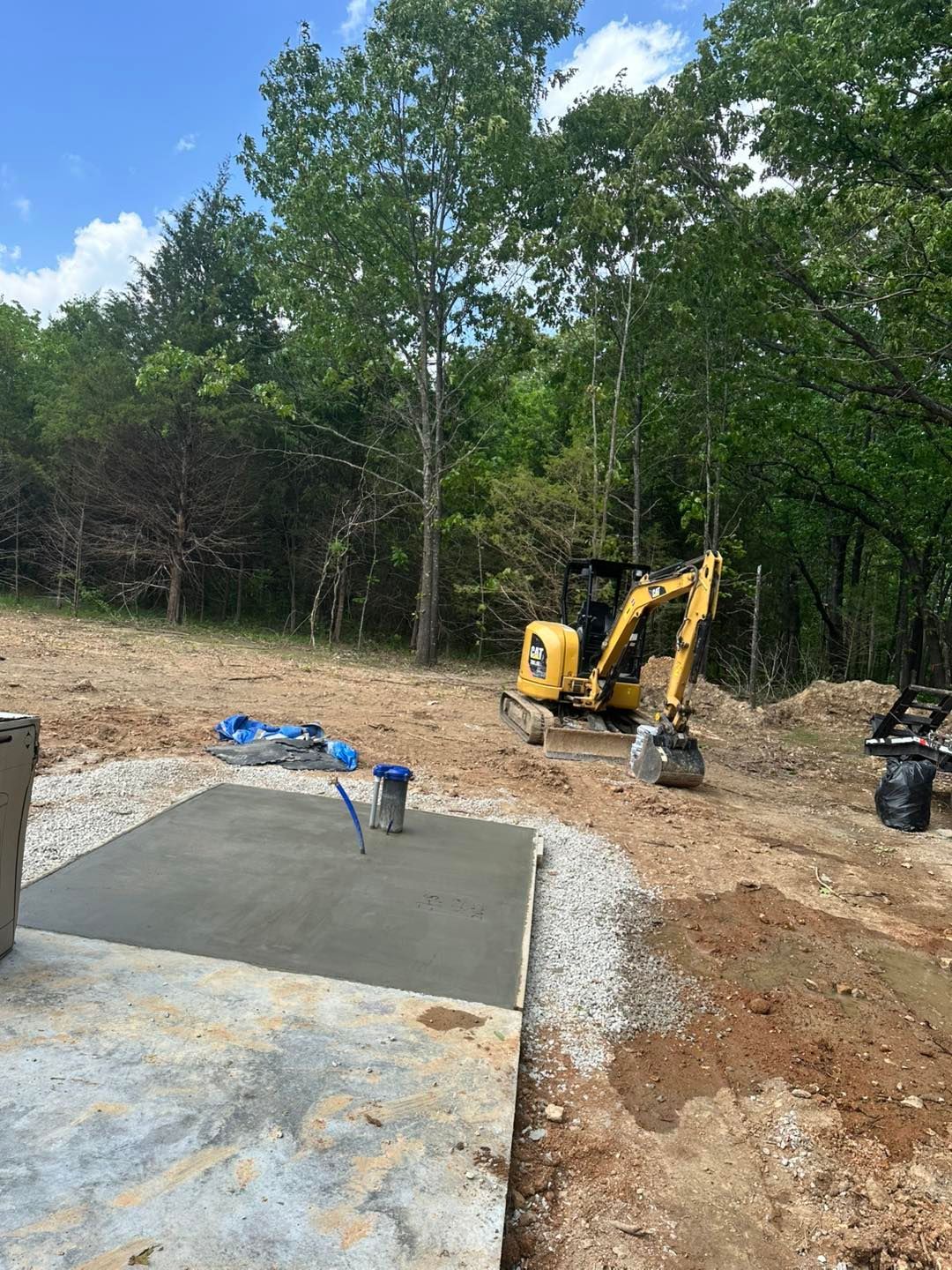
How Accurate Ground Preparation Affects Building Performance
Foundation site work begins with surveying existing grade conditions and comparing them to engineered plans that specify excavation depth, base material type, and compaction density. Rogers Elite Hauling and Excavation LLC follows builder-provided specifications for cut depth and base preparation, ensuring that elevations match design requirements before forms are placed. The difference between properly compacted base material and inadequately prepared ground shows up years later when floors remain level instead of developing slopes or when exterior walls stay plumb instead of cracking along mortar joints.
Once excavation reaches the specified depth and base materials are compacted to density standards, you'll notice a stable surface that doesn't shift underfoot and drainage patterns that move water away from the building envelope. Proper preparation means the foundation sits on undisturbed or mechanically stabilized soil rather than loose fill that compresses unevenly over time. This setup prevents the gradual settling that causes door frames to rack, windows to bind, and interior finishes to crack.
Foundation preparation includes coordination with utility trenching, frost depth considerations for footings, and attention to existing drainage features that affect how groundwater moves around the structure. The work doesn't include pouring concrete or setting forms, but it establishes whether those subsequent steps succeed or face ongoing correction needs.
Questions Before Starting Your Foundation Work
Foundation site preparation involves decisions about excavation depth, base material selection, and drainage management that vary based on soil conditions and building design.
What determines the excavation depth for foundation preparation?
Excavation depth is specified by engineering plans based on soil bearing capacity, frost line depth, and the structural load the foundation will support. In southwest Missouri, frost depth requirements typically drive minimum footing depths below the surface.
How does soil type in Rogersville affect foundation site work?
Clay soils common to this area require controlled moisture management and proper compaction to prevent expansion and contraction cycles that cause settling. Base preparation often includes select fill material compacted in lifts to achieve stable density.
What happens if the site isn't graded correctly before foundation installation?
Improper grading creates drainage problems that direct water toward the foundation, leading to hydrostatic pressure against basement walls, erosion under slabs, and moisture intrusion that compromises structural integrity over time.
When should foundation site preparation be scheduled relative to other construction phases?
Site work must be completed and inspected before concrete contractors arrive, typically coordinated through the general contractor or builder managing the construction timeline. Weather conditions affect timing since wet soils can't be properly compacted.
Rogers Elite Hauling and Excavation LLC coordinates with builders and engineers to meet foundation site requirements before construction progresses. Request a consultation to review excavation and grading specifications for your building project.